First-time creator
You have a sentence to test but no finished video plan.
Make a short talking head draft, then use the broader free talking head online guide to decide what belongs around it.
free talking head onlineSpeaking video
Start with a short script and a clear portrait or avatar. A talking head clip works best when one speaker delivers one focused message; preview the result before using it in a larger video.
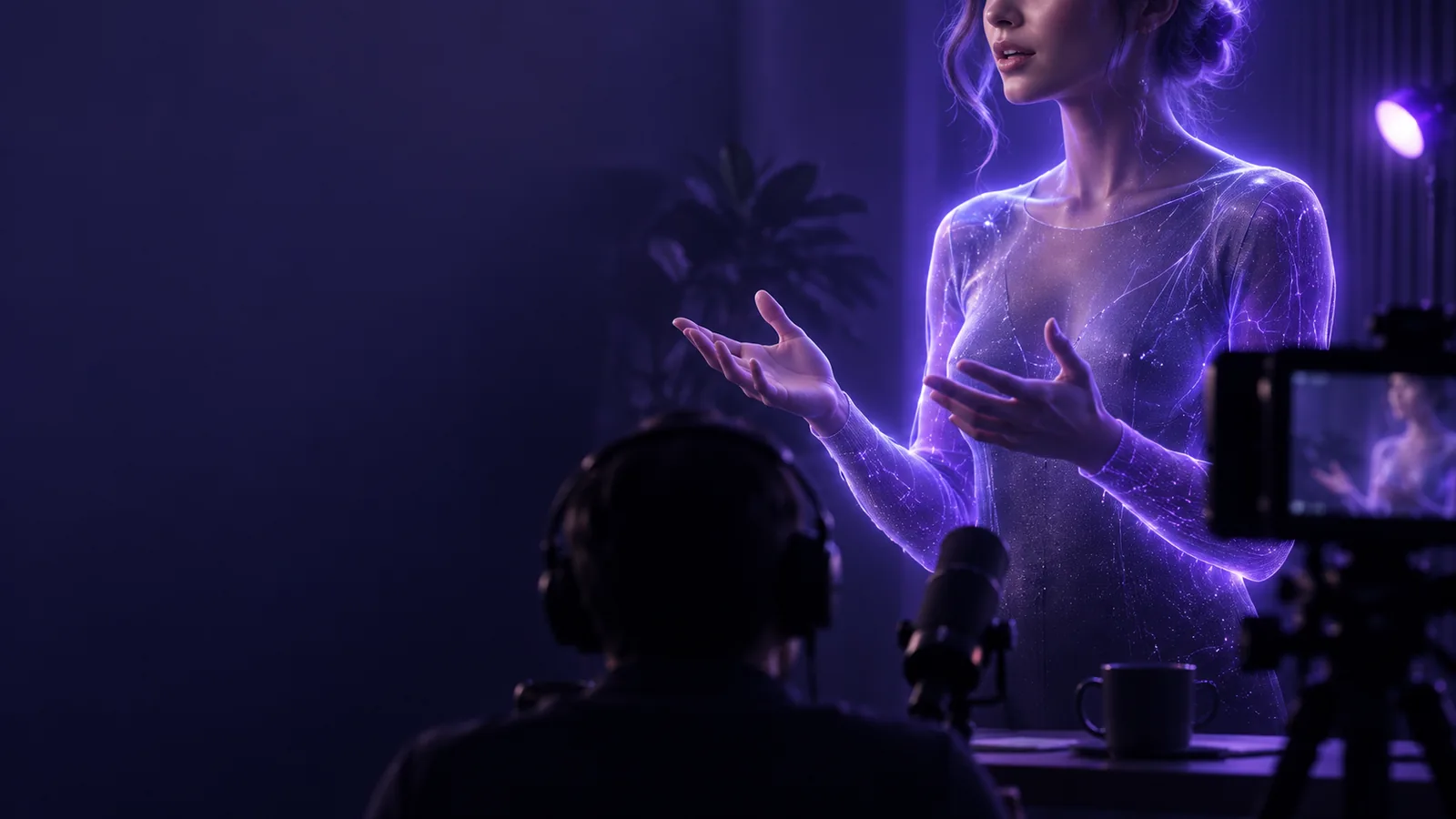
This route is for someone who wants to test a speaking-video idea. The related guides cover broader ways to make a talking head clip or start without a detailed prompt.
A generated talking head is a starting clip, not a substitute for editorial review. Check these edges before sharing the result.
Lip movement, expression and pacing may not suit every line, especially long sentences or unusual names.
WorkaroundTry shorter lines, listen to the full clip and revise anything that sounds or looks awkward.
A convincing talking head can still deliver incorrect information. Generation does not check facts or permissions for you.
WorkaroundReview the script against a reliable source and use only a face or voice you have permission to use.
Available lengths, output settings and export conditions depend on the tool you reach. A free starting point does not establish every final-output option.
WorkaroundInspect the available settings before committing to a longer script or a particular publishing format.
Keep the first talking head test small enough to judge the voice, framing and message separately.
Give the speaker a brief line with a clear purpose, such as introducing a topic or explaining one benefit. Read it aloud to catch stiff wording.
Use an available avatar or a portrait you are allowed to use. A clear, front-facing image gives a talking head concept an easier starting point than a crowded scene.
Preview the complete clip, not just its opening. Check pronunciation, mouth movement, captions if available, and whether the tone matches the script.
These images illustrate the workflow, not a guaranteed output. Inspect the generated talking head for visual and audio errors.


Use the generator-focused route when you need a specific speaker-and-script test, rather than general filming advice.
You have a sentence to test but no finished video plan.
Make a short talking head draft, then use the broader free talking head online guide to decide what belongs around it.
free talking head onlineYou want to hear whether an introduction sounds clear when spoken.
Preview the delivery before building a longer free talking head video around the strongest wording.
free talking head videoYou already have an approved image of the intended speaker.
Test whether that image suits a close-up talking head; the image to talking video ai free guide covers this starting point.
image to talking video ai freeThe difference is the immediate task: test one generated talking head clip here, or plan the surrounding video first.
Generator-focused start
General video start
Generator-focused start
What should one speaker say?
General video start
What should the whole video communicate?
Generator-focused start
A short script and speaker choice
General video start
An outline, audience and intended format
Generator-focused start
A speaking-clip draft to review
General video start
A plan for recording or assembling a video
Generator-focused start
Voice, expression and lip movement
General video start
Structure, pacing and supporting visuals
Generator-focused start
Testing a presenter-led line
General video start
Planning a complete talking head piece
Generator-focused start
Fact-checking and any final edit
General video start
Footage or generated clips to put in the edit
Use the ai talking head video generator free entry point to test a focused script. Review the talking head preview, then decide whether to revise the delivery or build a fuller video.
Generate speaking videoA generator-focused workflow can begin with a script and an available avatar or suitable portrait instead of a camera recording. Check the options presented by the tool, and do not use another person's likeness or voice without permission.
Specify who is speaking, the exact words and the tone you want. Keep the first line brief so you can judge pronunciation and expression before trying a longer script.
No. Starting a test does not tell you which lengths, formats or export options will be available. Check the tool's current conditions before planning a finished talking head video around a particular output.
Long or difficult lines can make timing and mouth movement harder to judge, and a source portrait may not suit every expression. Try a clearer image and shorter sentences, then review the entire clip rather than relying on a still preview.
Treat the generated clip as one part of the production process. Check its claims, audio, visual continuity and permission to use the speaker before publishing; add context or supporting visuals if the message needs them.