Talking Head

What is a talking head in video?

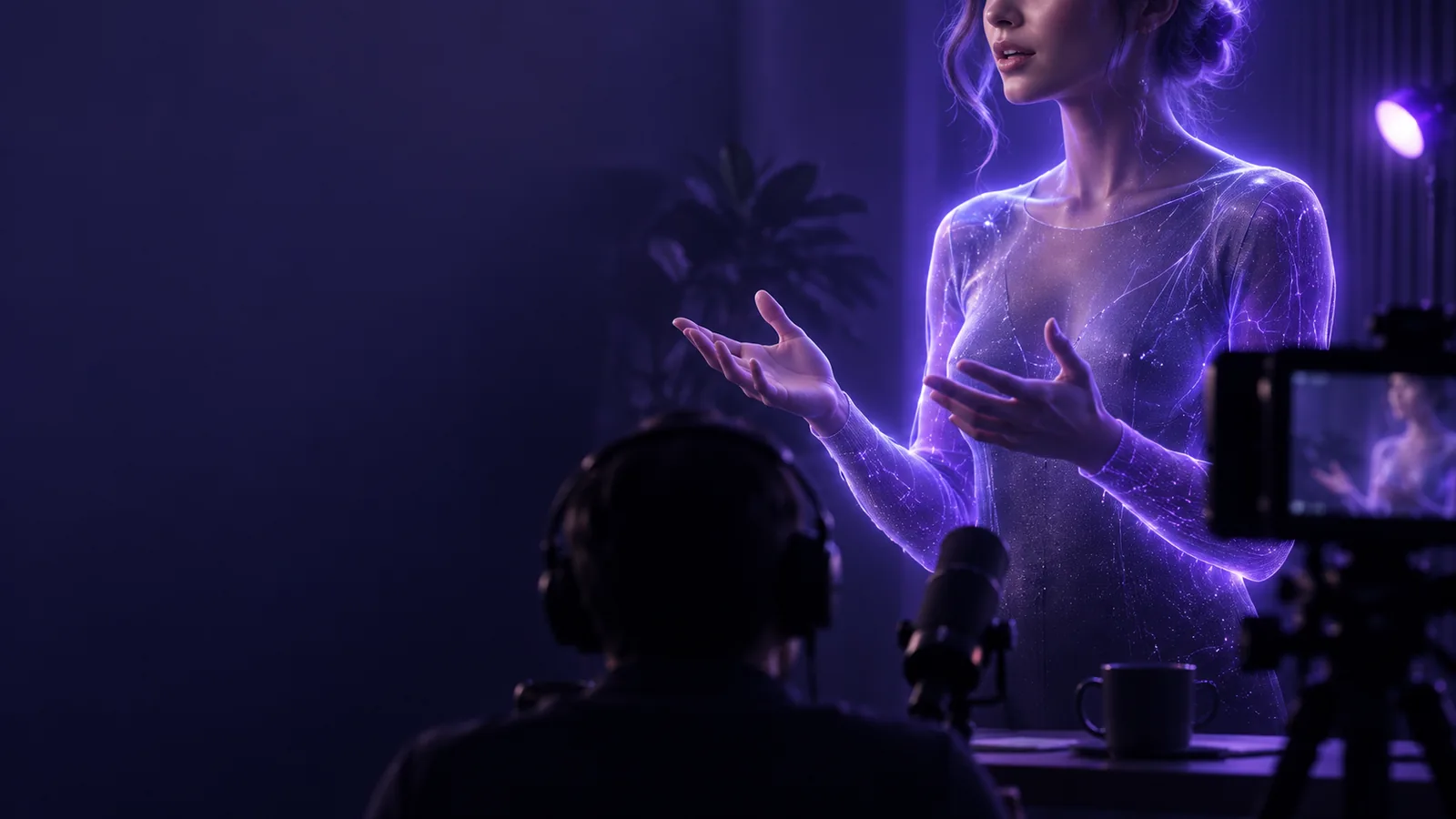
A talking head is a video shot focused on a person speaking to the camera or to someone just off-camera. The speaker carries the message through their voice, expression and delivery, rather than through action elsewhere in the scene.

Speaker framed for a direct-to-camera video

The defining choice is where the viewer's attention goes: to a face delivering an idea. These related pages separate that choice from adjacent video formats and production methods.

What it can and cannot do

A face and voice can make an explanation feel direct, but the shot cannot carry every kind of information equally well.

  • It cannot show a process in detail

    A speaker can describe a sequence of actions, but viewers may struggle to follow unfamiliar steps without seeing the actions themselves.

    WorkaroundCut to a screen recording, close-up or demonstration when the explanation becomes procedural.

  • It cannot prove a result by itself

    A person stating that something works is not the same as showing the output, evidence or conditions behind the claim.

    WorkaroundPair the statement with a visible example and enough context for viewers to assess it.

  • It cannot hold attention through framing alone

    A static face can become repetitive when the script circles the same point or the audio is difficult to hear.

    WorkaroundTighten the message, record clear audio and change the visual only when it helps the viewer understand.

How it works on screen

The same basic structure works whether the speaker is filmed in one take or the final video is assembled from several clips.

  1. 1

    Frame the speaker

    Place the face where expressions are easy to read, with enough space to avoid an uncomfortably tight crop. Looking into the lens feels like direct address; looking slightly aside can feel like an interview.

  2. 2

    Deliver one clear message

    The speaker introduces an idea, develops it and gives the viewer a reason to keep listening. Clear sound matters because speech is the main source of information.

  3. 3

    Support the words

    Edit pauses where useful, then add a relevant example or visual when words alone would be abstract. Supporting footage need not replace the speaker; it can make a specific point easier to grasp.

Who uses the format

People use a talking head when the audience benefits from hearing a person explain, introduce or respond to something directly.

Educators

A teacher opens a lesson by naming the question students will answer, then returns on camera to summarize the result.

The face provides continuity while diagrams or demonstrations handle the details. For a channel-specific approach, see talking head for youtube.

talking head for youtube

Short-form creators

A creator states a useful tip to camera and follows it with a quick example instead of leaving the claim unexplained.

The viewer meets the speaker immediately and sees the point before the clip ends. Explore talking head for tiktok for that shorter format.

talking head for tiktok

Interviewers

An interviewer films a guest answering a focused question, with the guest looking just beside the lens.

The audience can read the guest's expression while hearing the answer. Talking head for camera covers practical framing choices.

talking head for camera

Community organizers

An organizer speaks directly to followers about an upcoming event, then shows the place and the information people need.

The message has a recognizable human source without relying on a face-only shot for every detail. See how to do a talking head video on instagram.

how to do a talking head video on instagram

Put the definition to work

Turn an explanation into a video

Start with one point you could say clearly to a viewer. Keep the speaker central, then decide which claims need an example, a demonstration or another visual before the video is complete.

Try video creation
  • Choose a single message
  • Write for spoken delivery
  • Show what words cannot

Questions about the definition

It is a shot or video centered on a person speaking, usually framed so the viewer can see their face clearly. The speaker's words and expression carry the main message.

No. Direct eye contact is common in lessons and personal updates, but an interview subject may look toward someone beside the camera. Both can be talking-head shots when the speaking person remains the visual focus.

The phrase can refer informally to the person on screen, but in video production it usually describes the speaker-focused shot or format. It does not tell you what topic the person discusses.

No. A video can begin with a speaker, switch to an example and return to the speaker later. Those supporting shots can help explain points that would be difficult to understand from speech alone.

Start creating
Start creating